
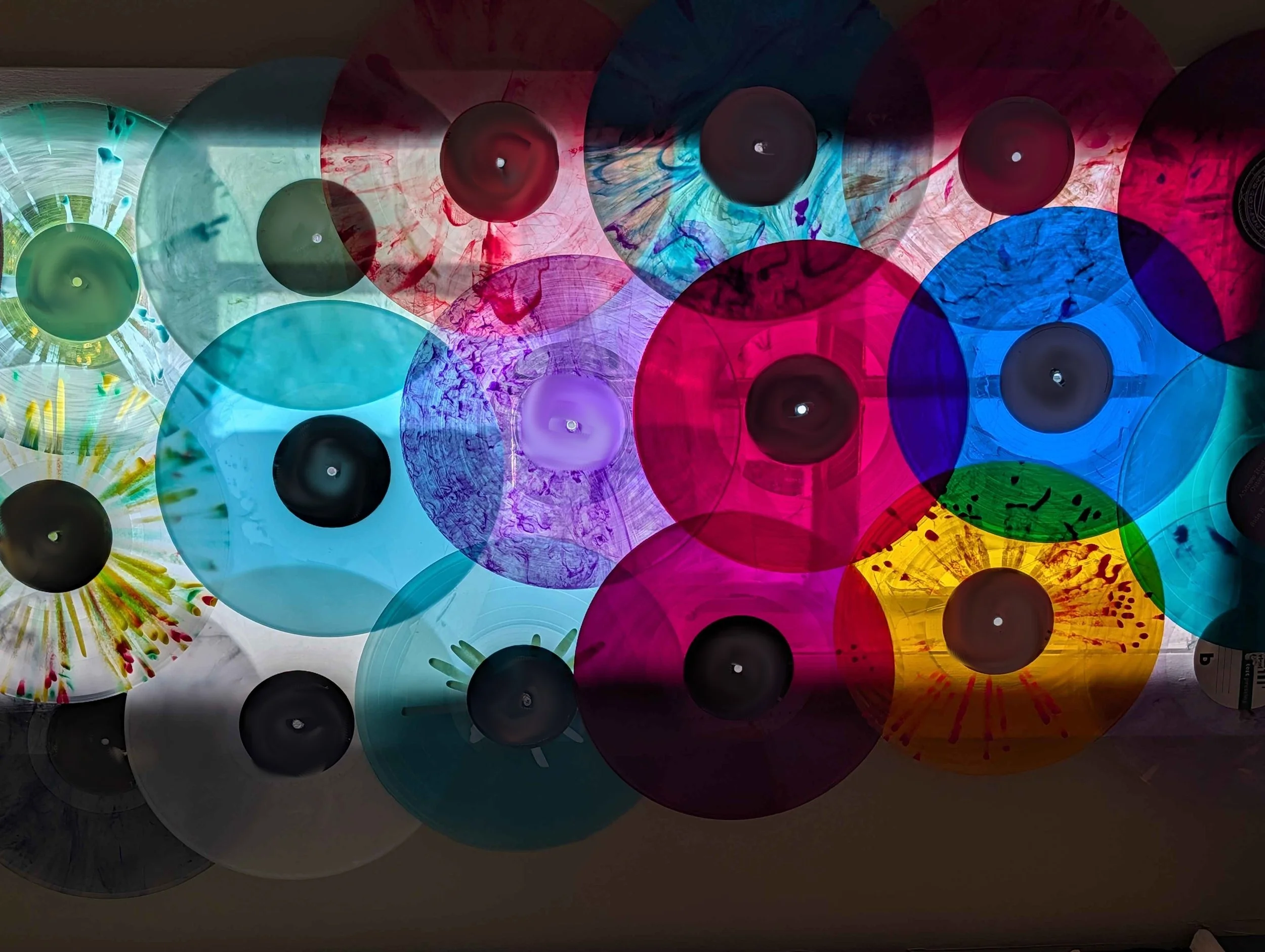
Vinyl Color Options
Opaque Colors (Standard Stock)
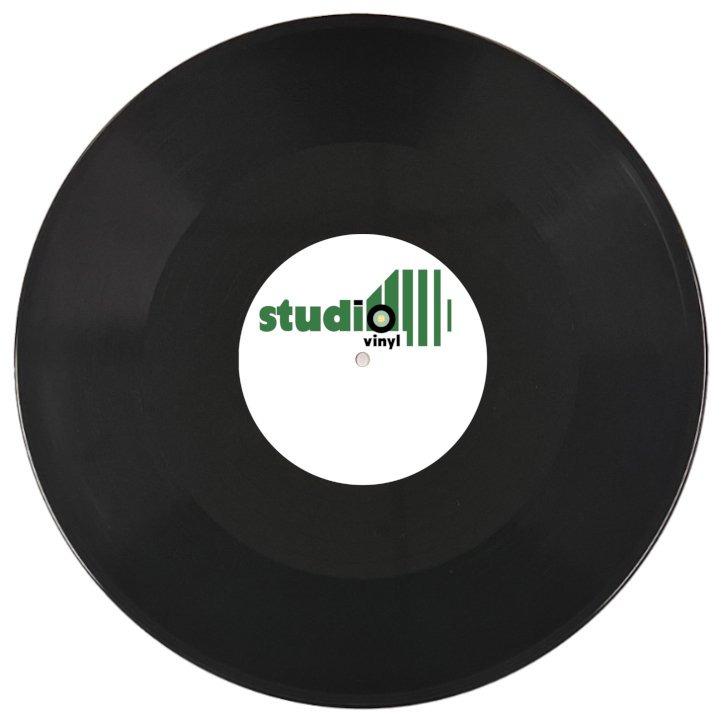
Black
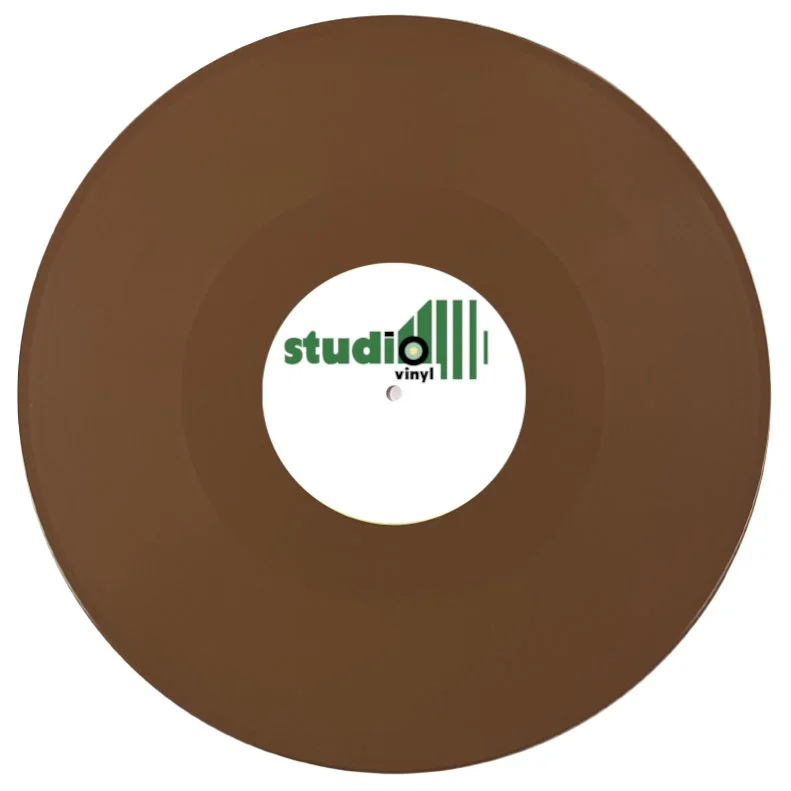
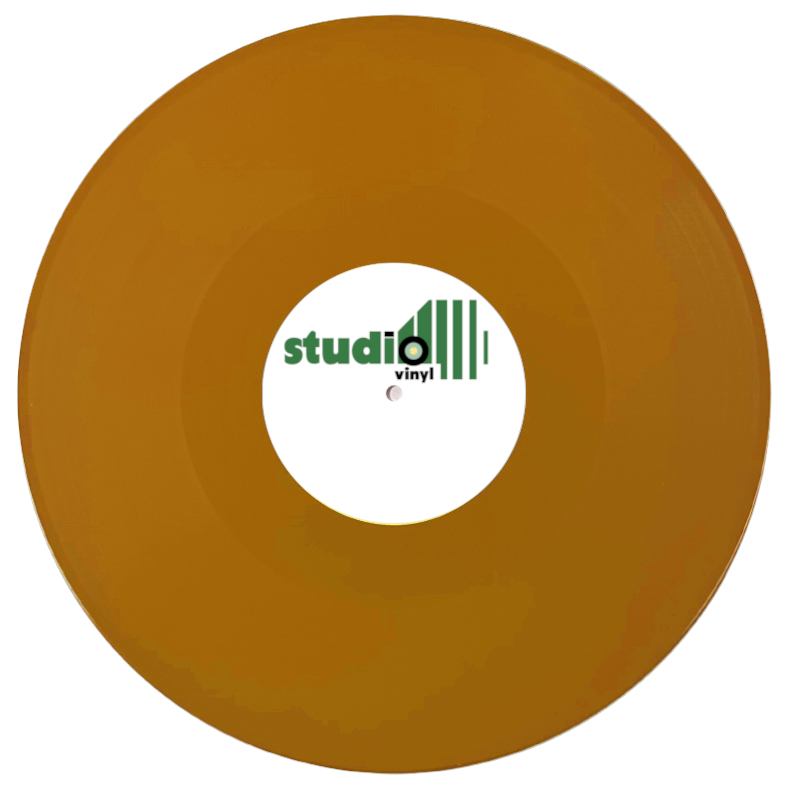
Brown
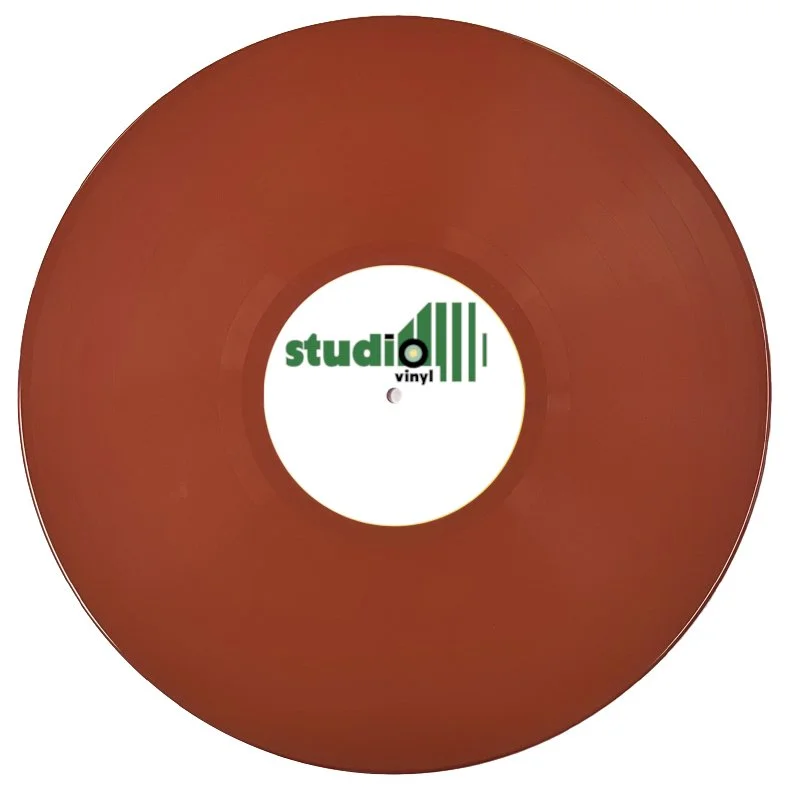
Tan
Maroon
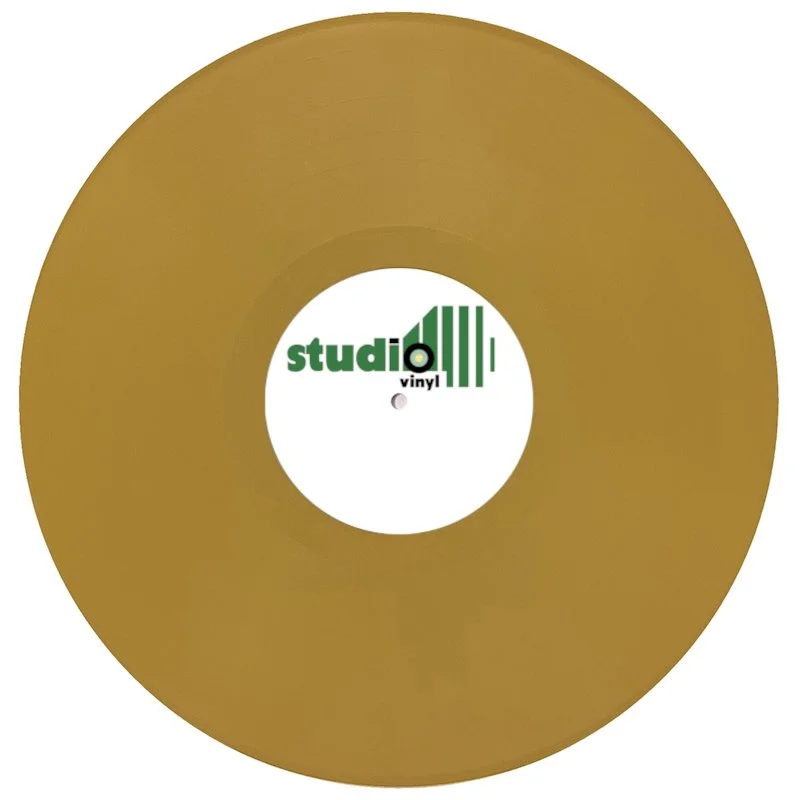
Gold
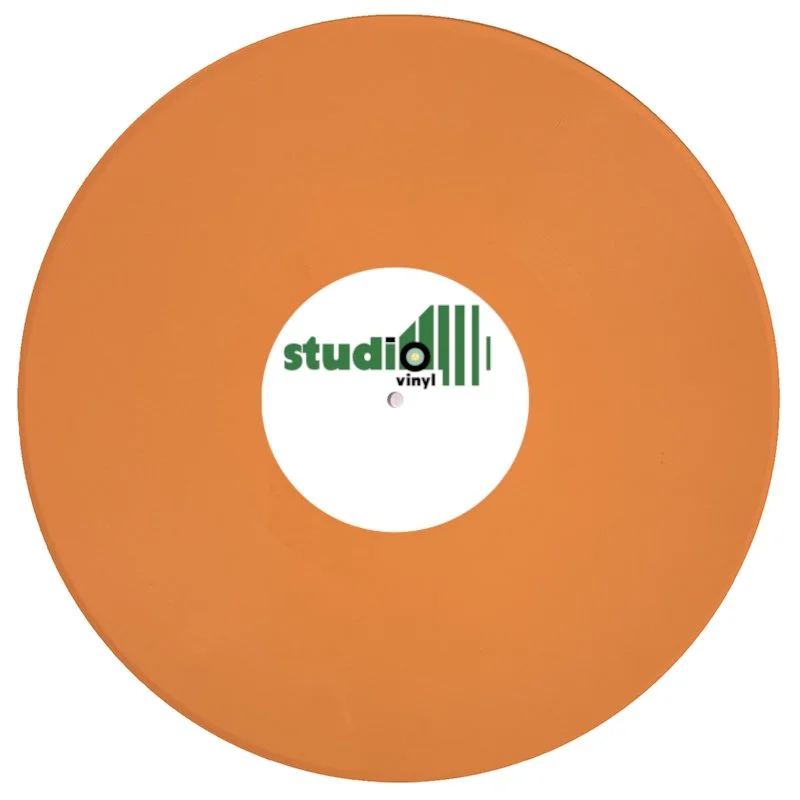
Peach
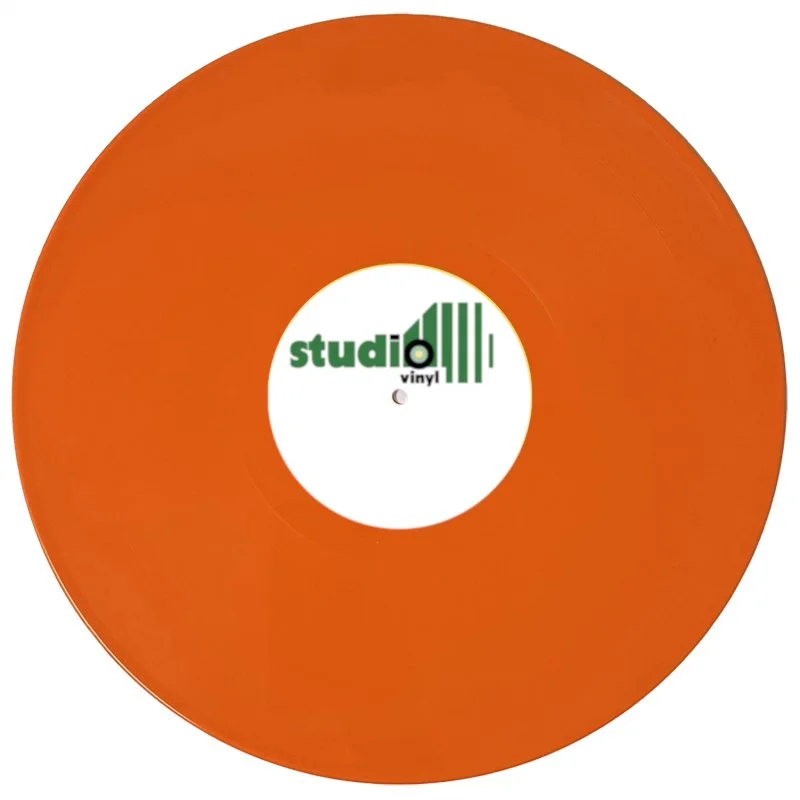
Orange
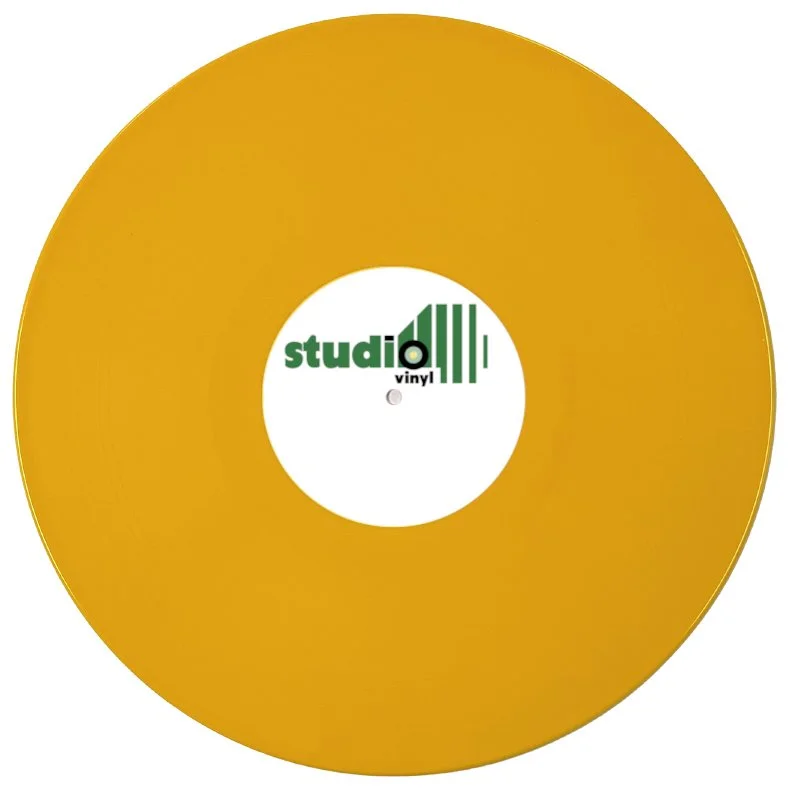
School Bus Yellow
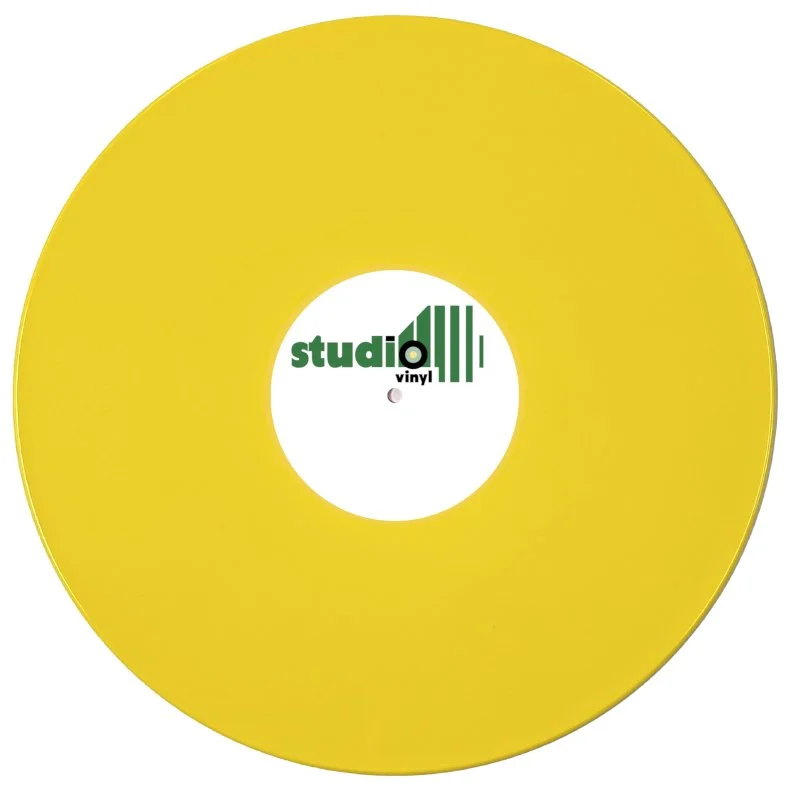
Duckie Yellow
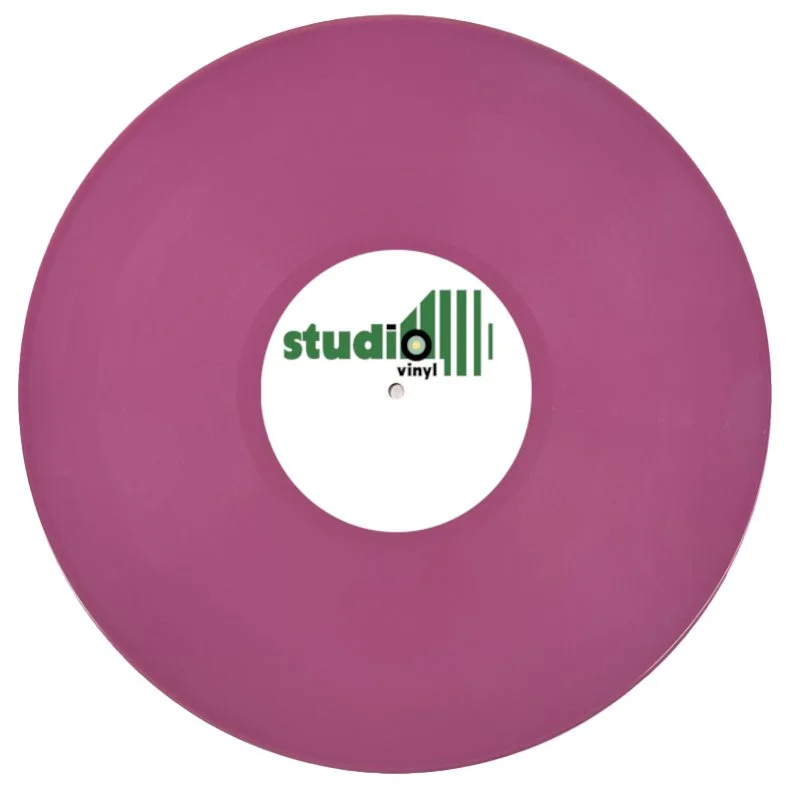
Violet
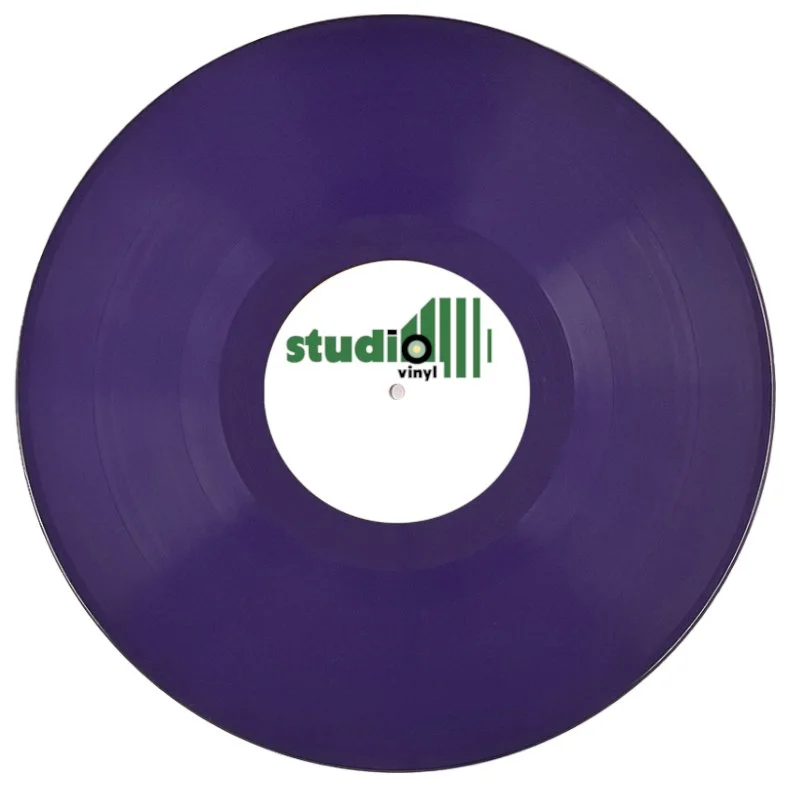
Royal Purple
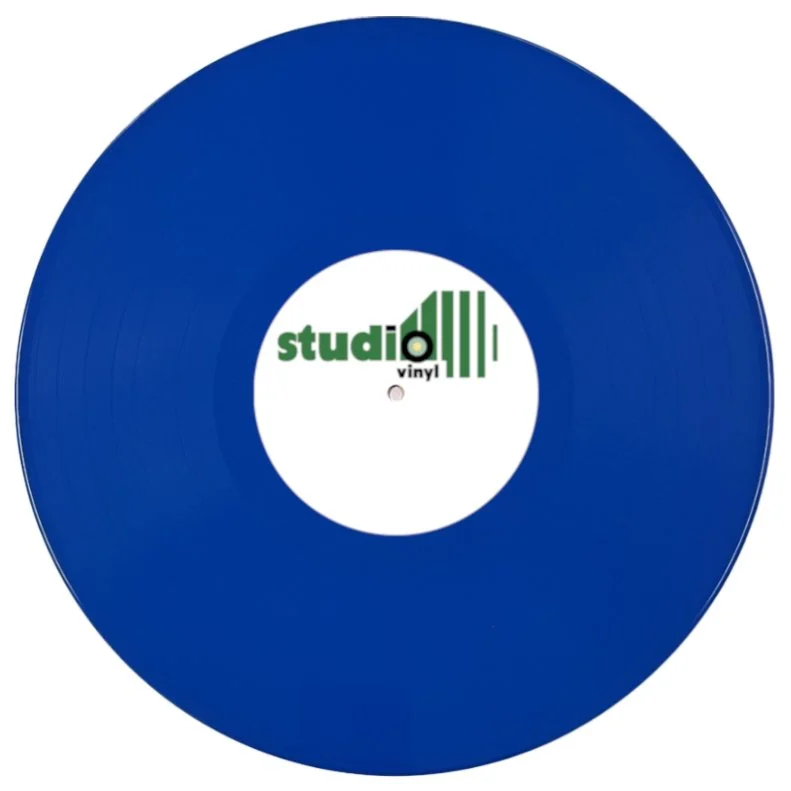
Blue
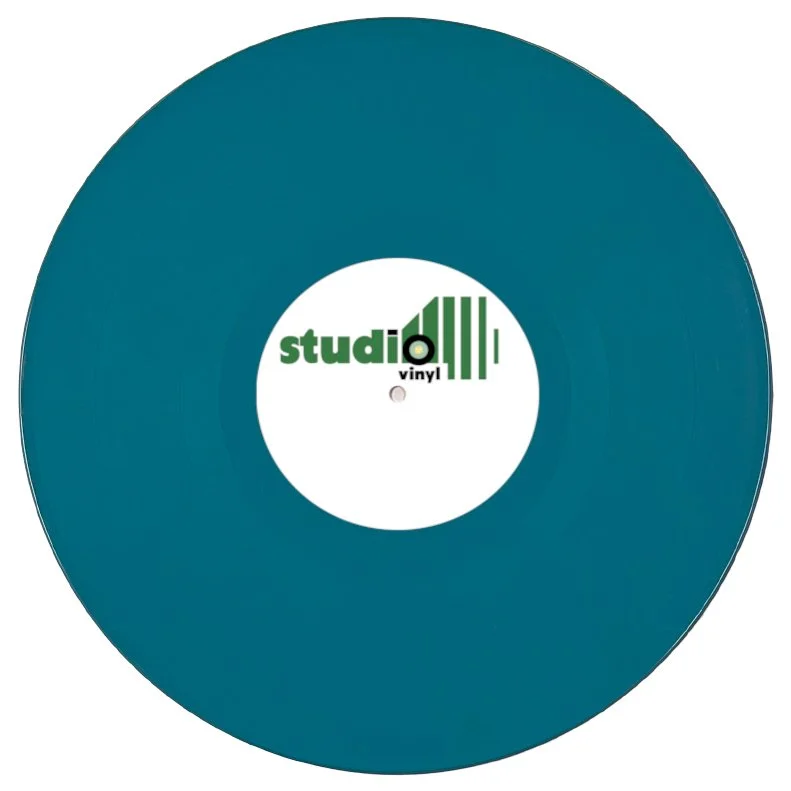
Turquoise
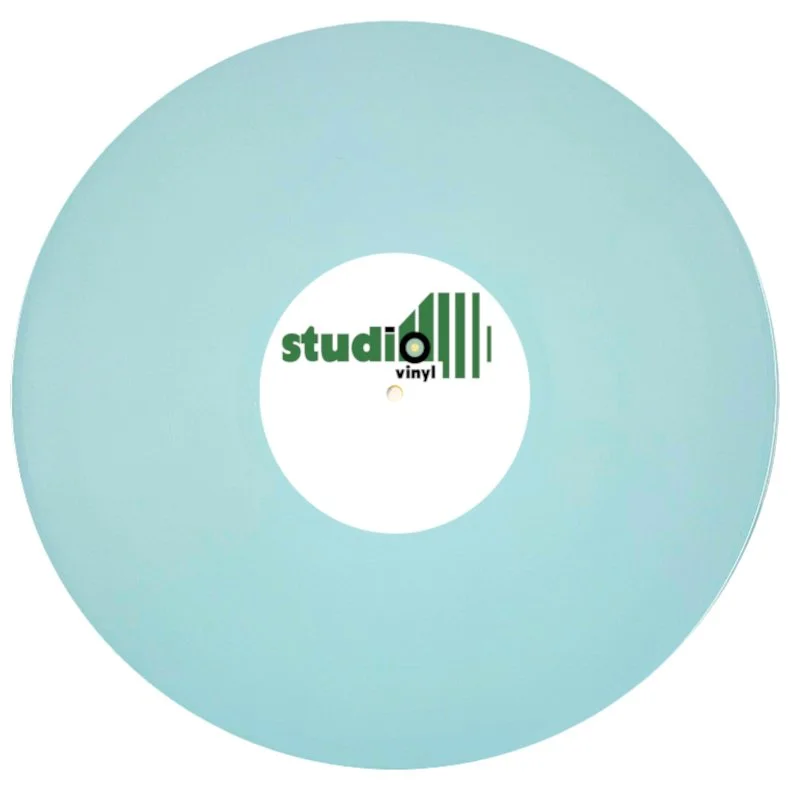
Sky Blue
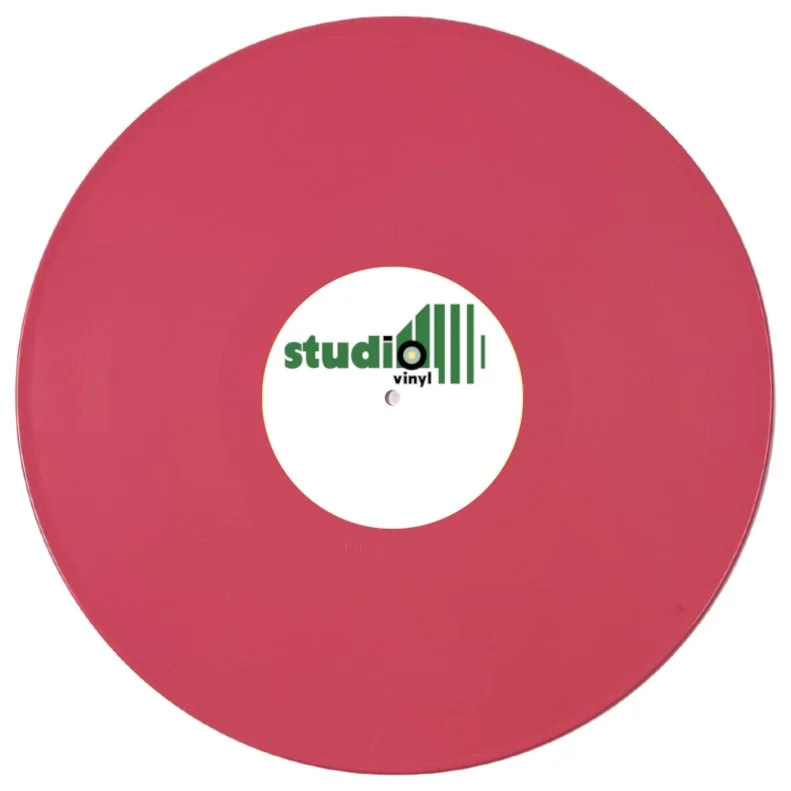
Pink
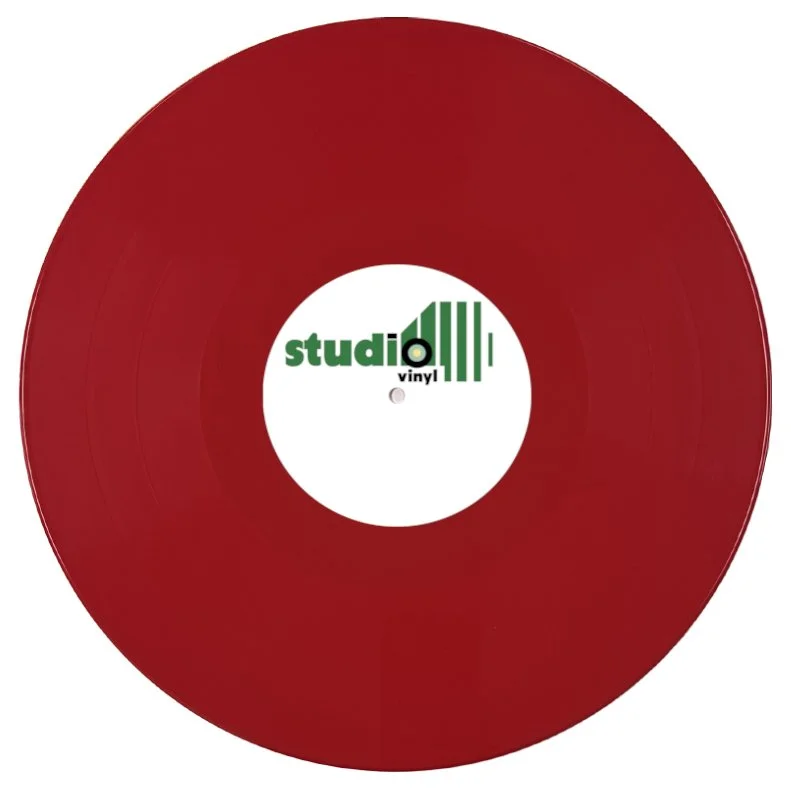
Red
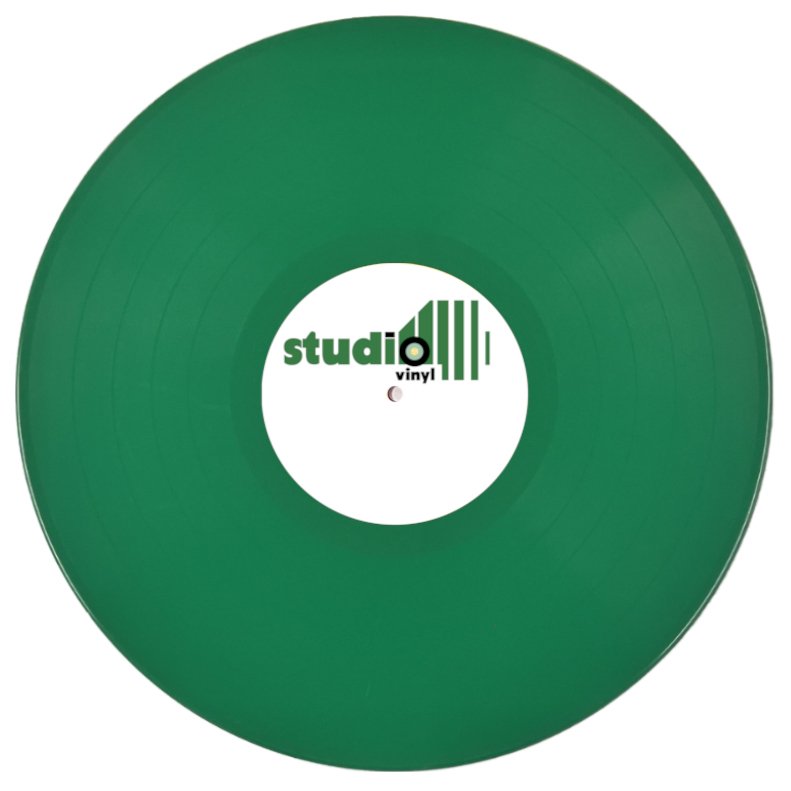
Deep Green
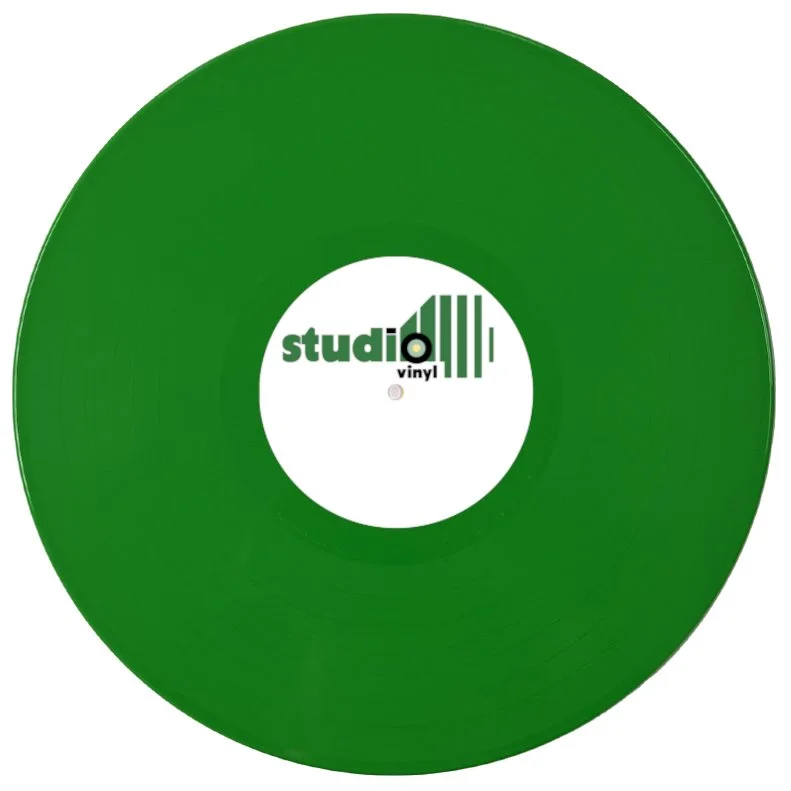
Tree Green
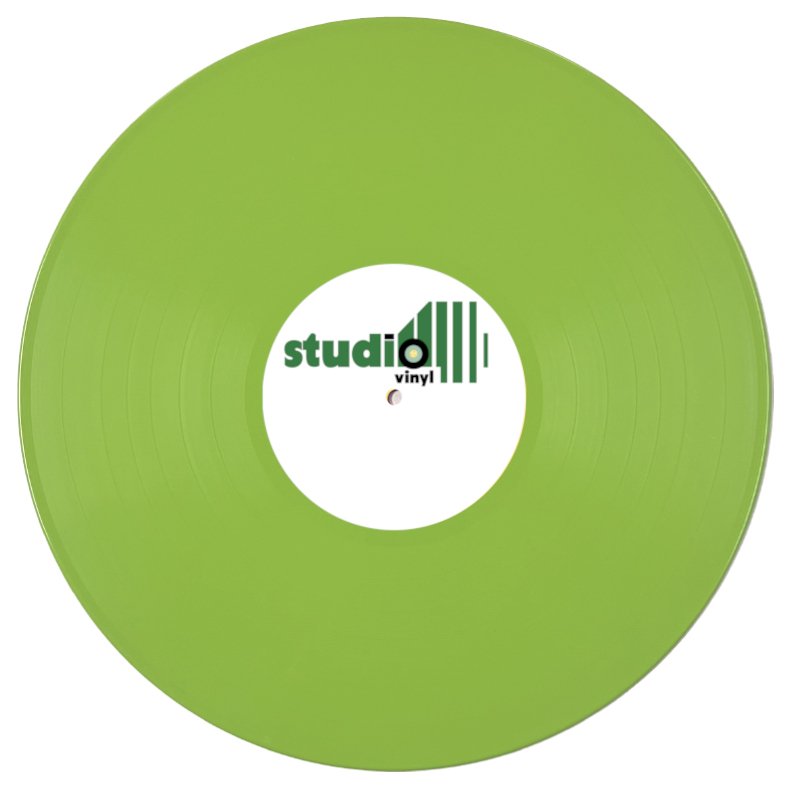
Monster Green
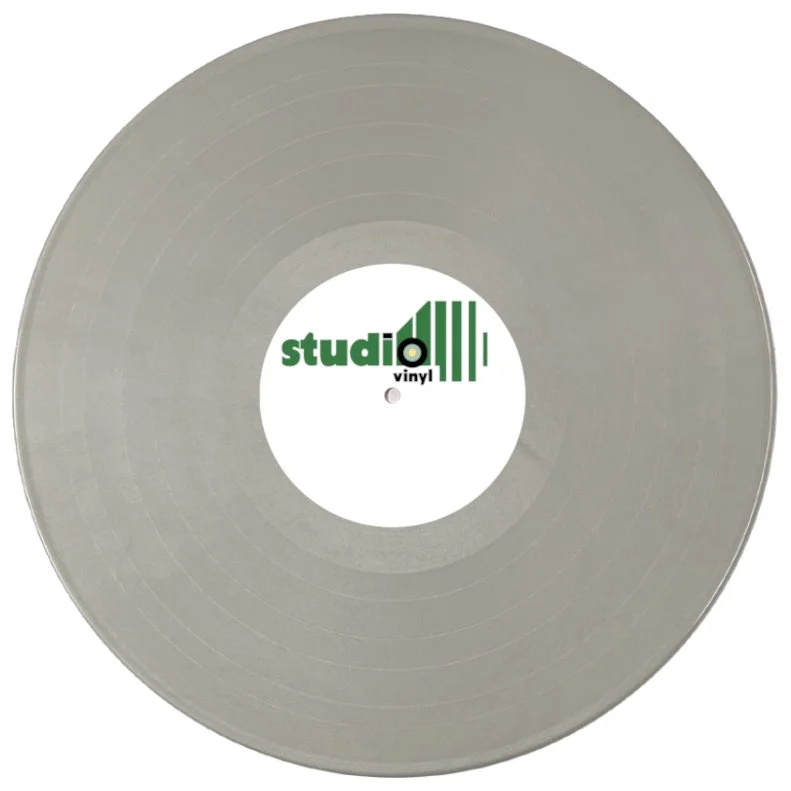
Silver
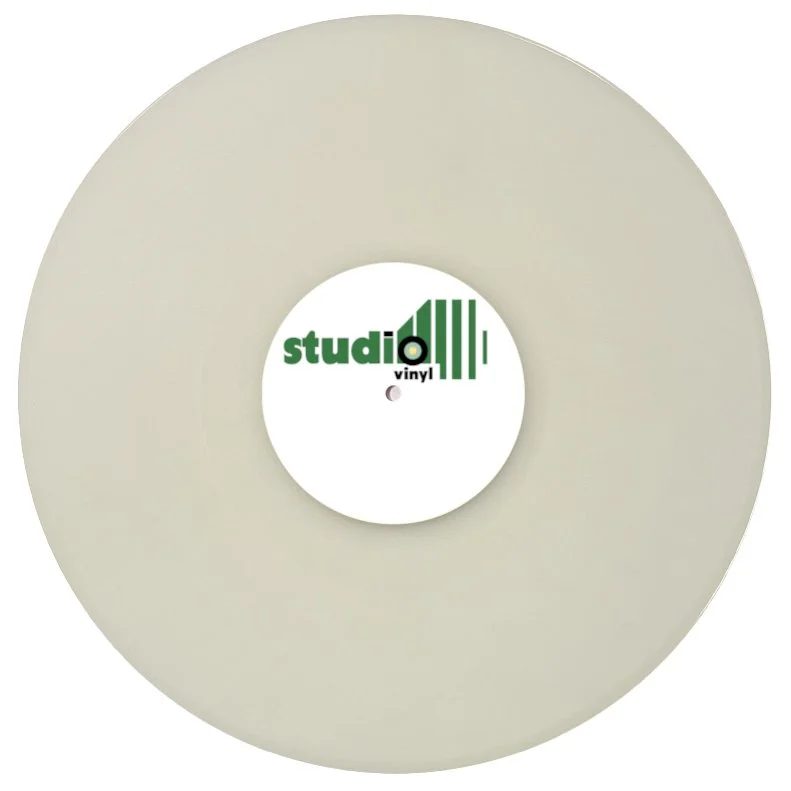
Natural
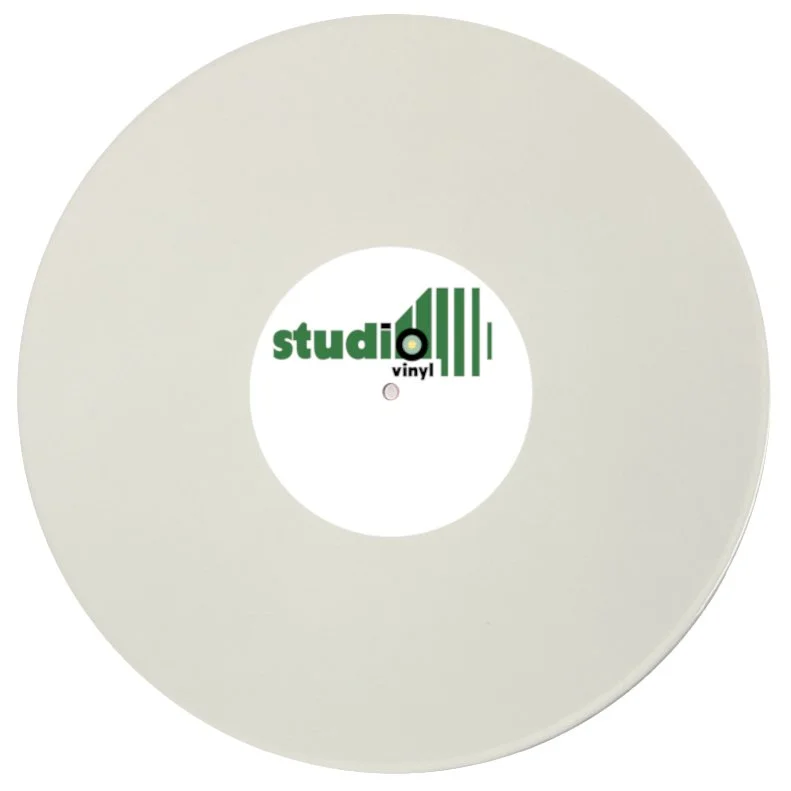
White
Translucent / Clear Colors (Standard Stock)
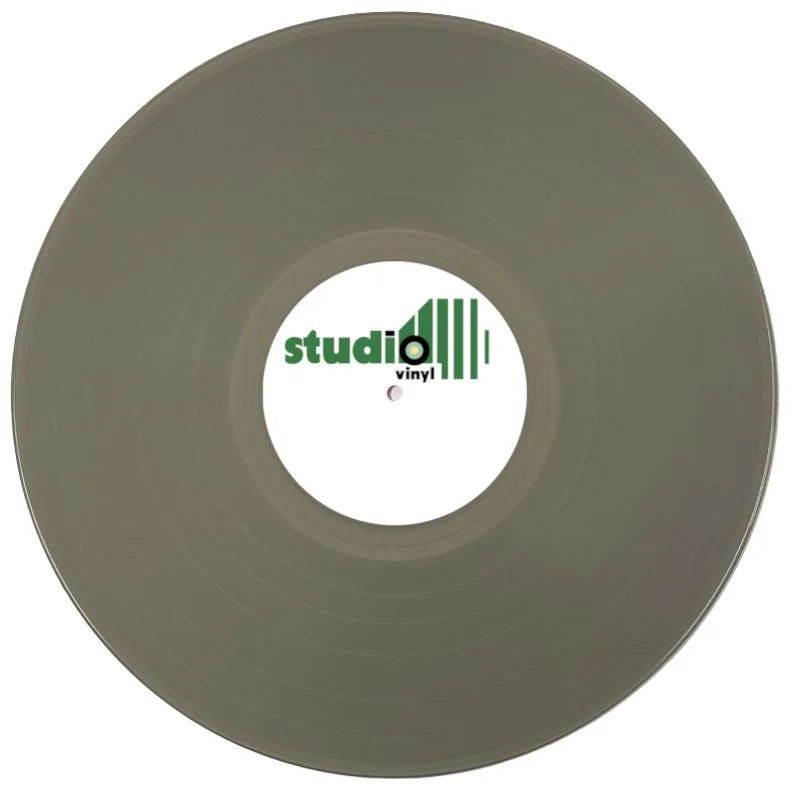
Smoke
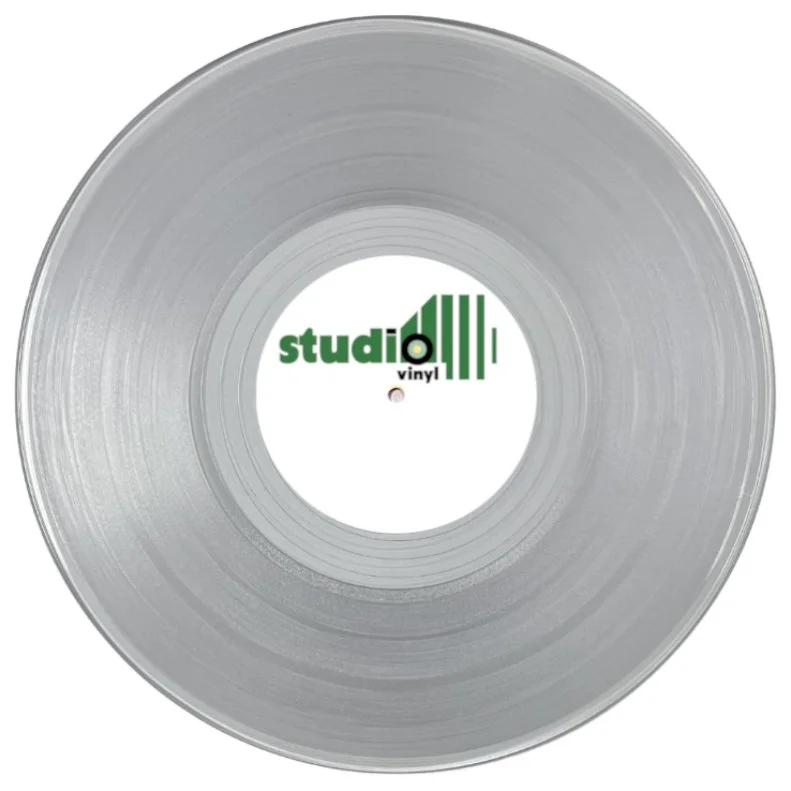
Clear
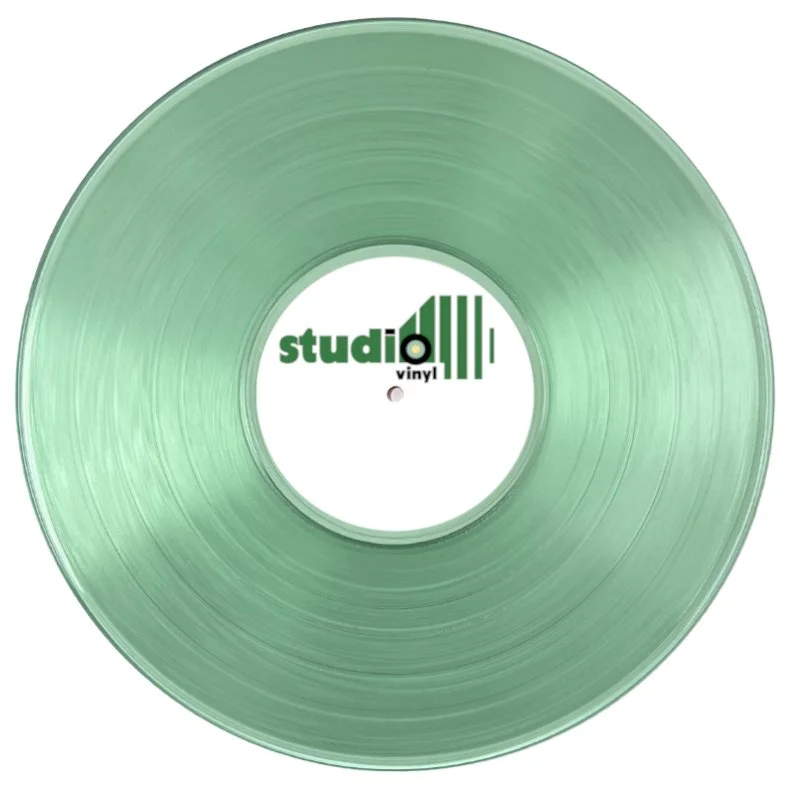
Coke Clear
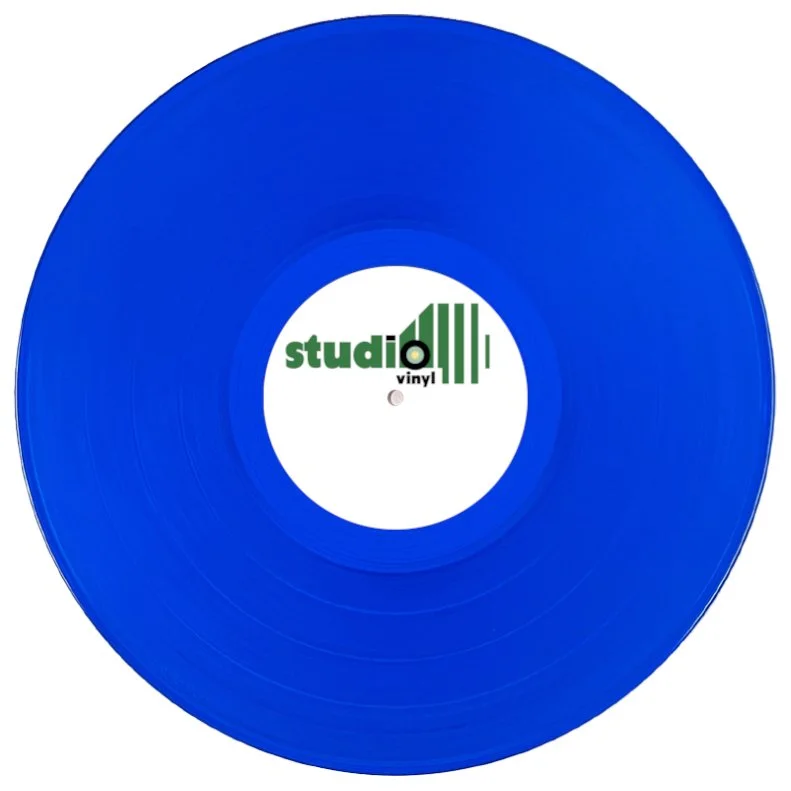
Blue
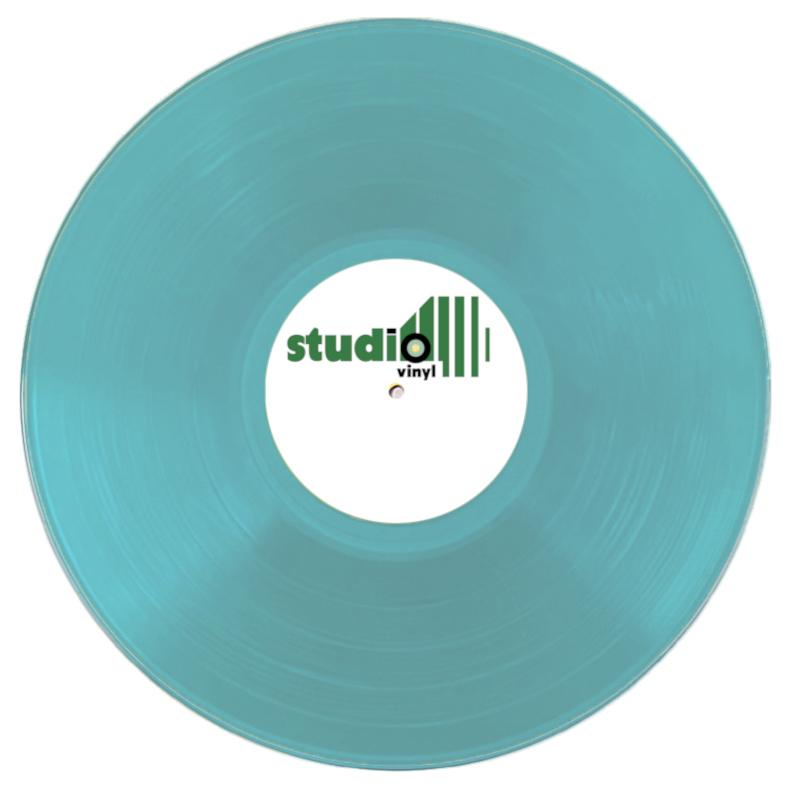
Sea Glass
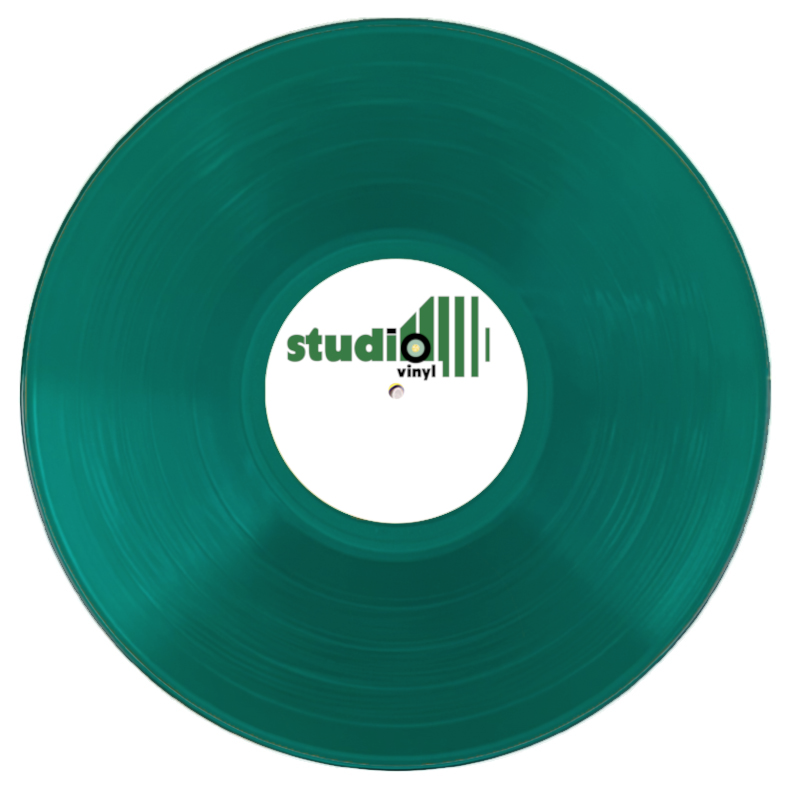
Emerald Green
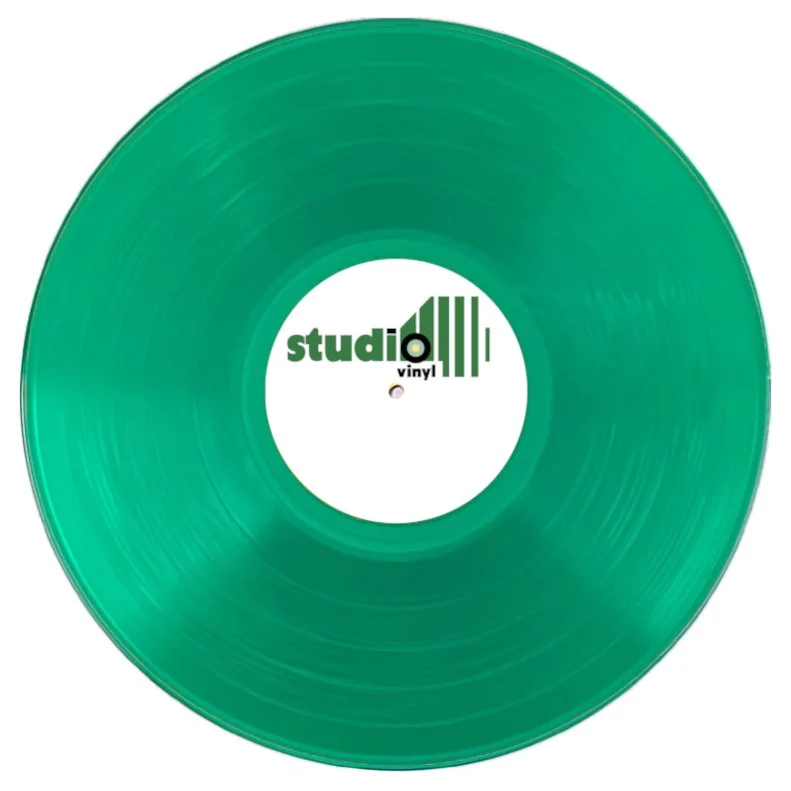
Green
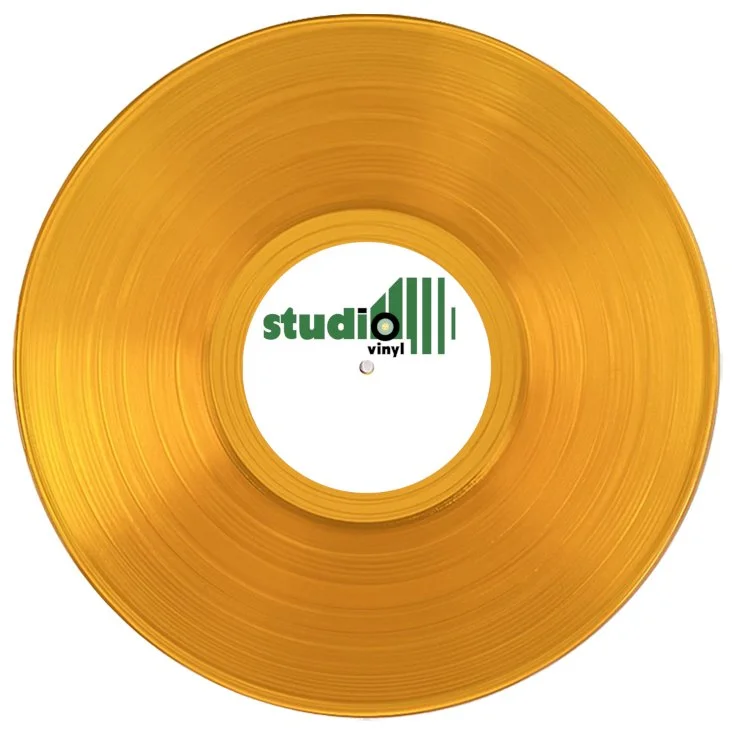
Orange
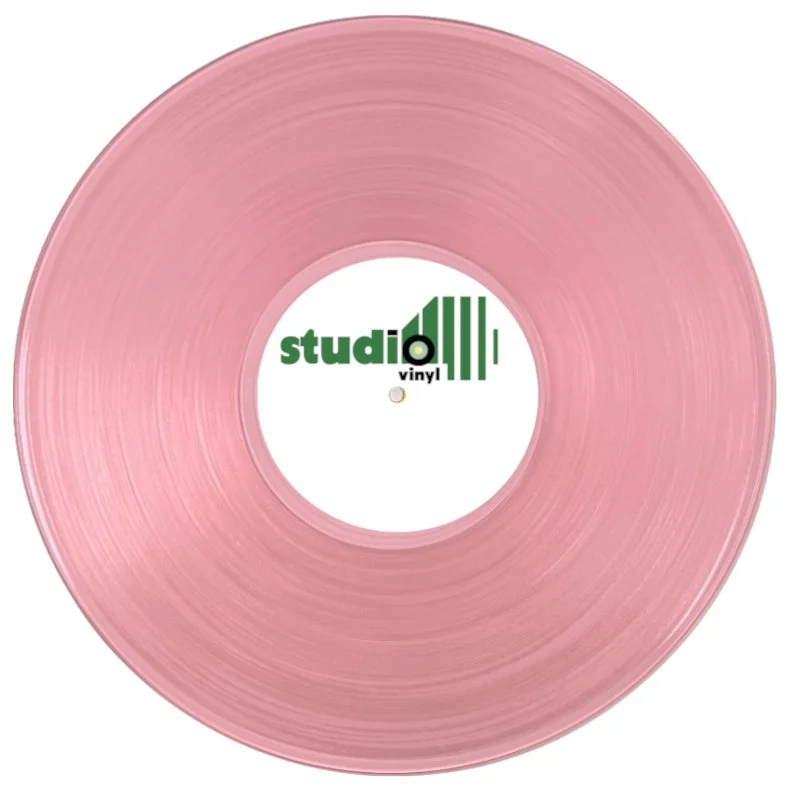
Pink
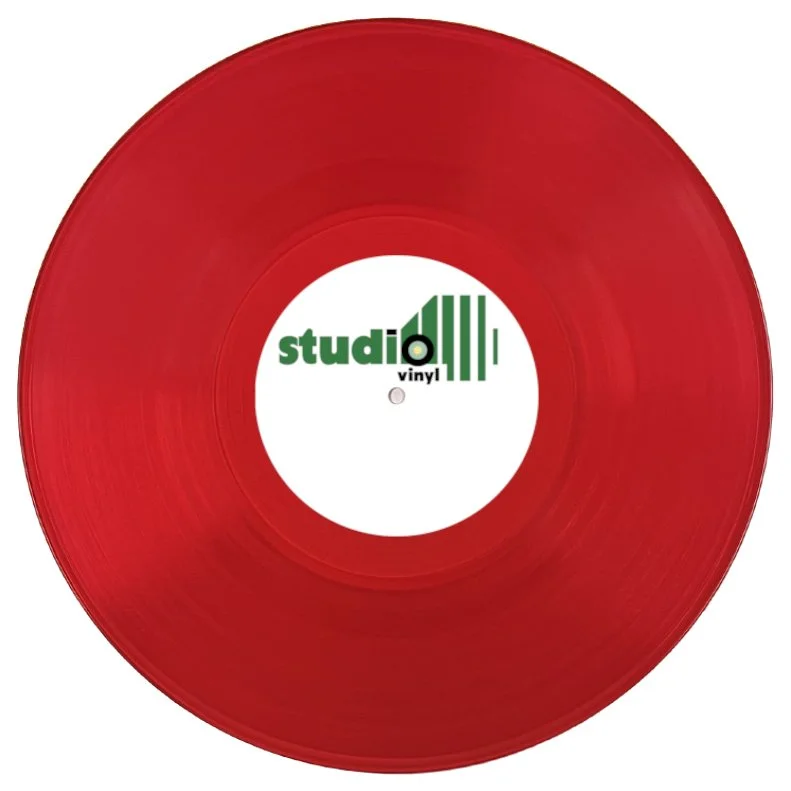
Red
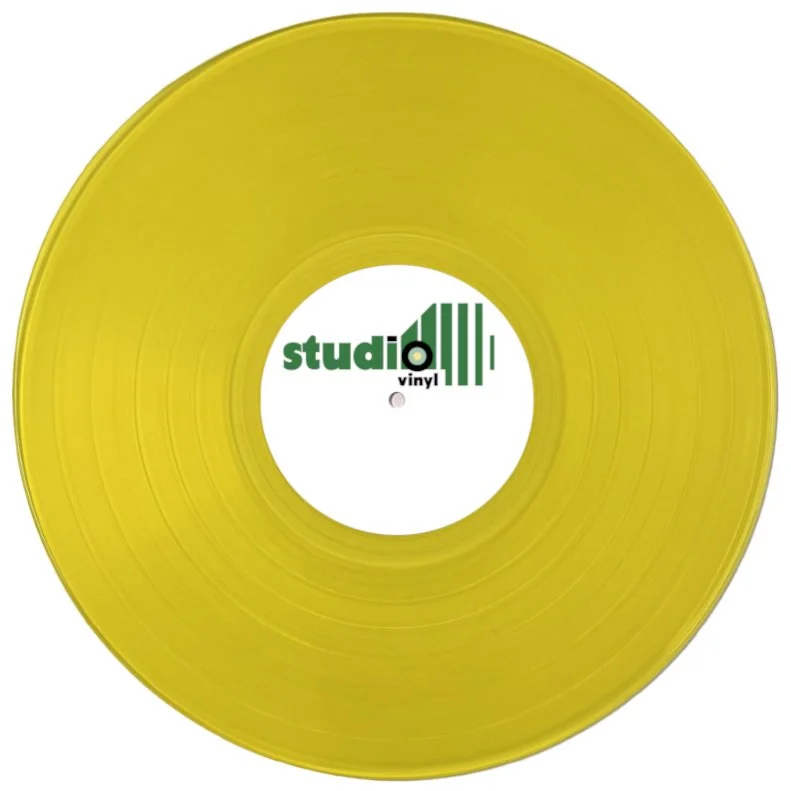
Highlighter Yellow
Specialty - Custom Mixes
Effects like swirl, splatter, and custom blends require an operator to physically mix and load the vinyl into the press. Because of that, every record comes out a little different, which is exactly the point.
We offer over 180 specialty colors and HD swirl options beyond the standard selections, so there’s a lot of room to get creative. Don’t see what you’re looking for? Reach out. If it’s possible, we’ll help you build it.
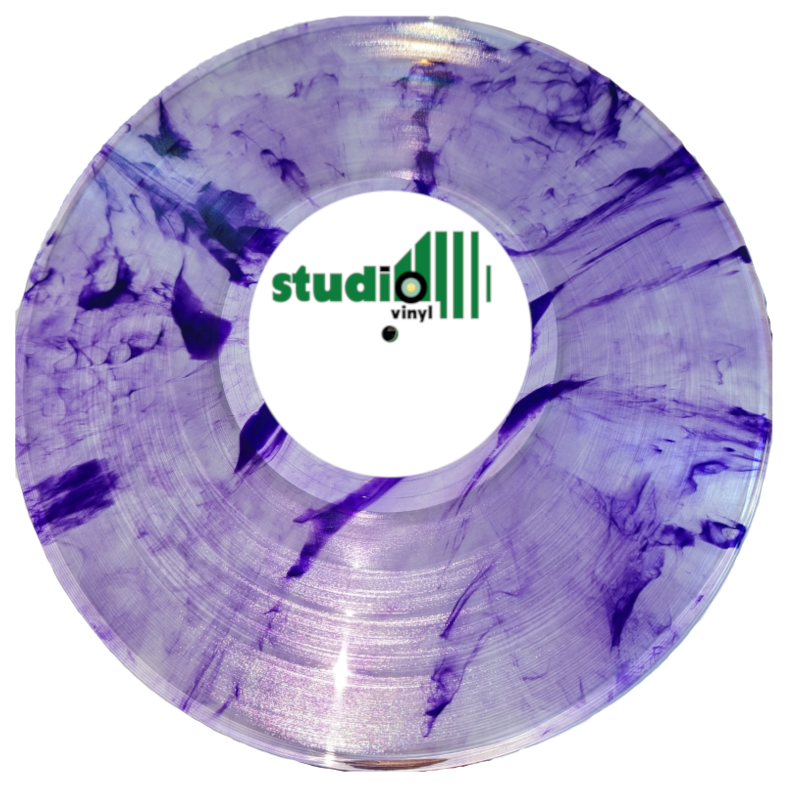
Swirls on Clear
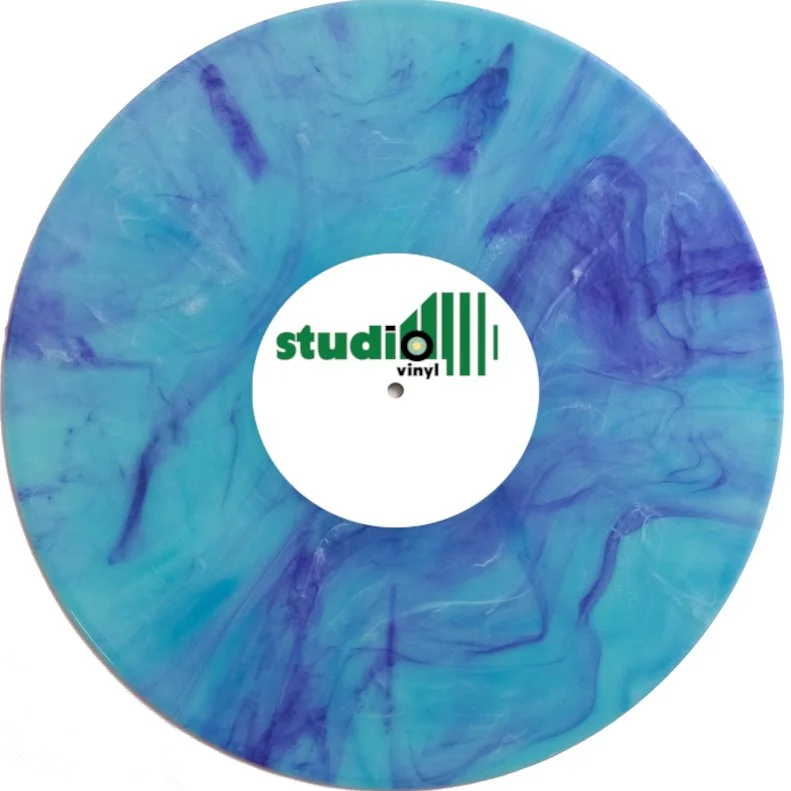
Marble
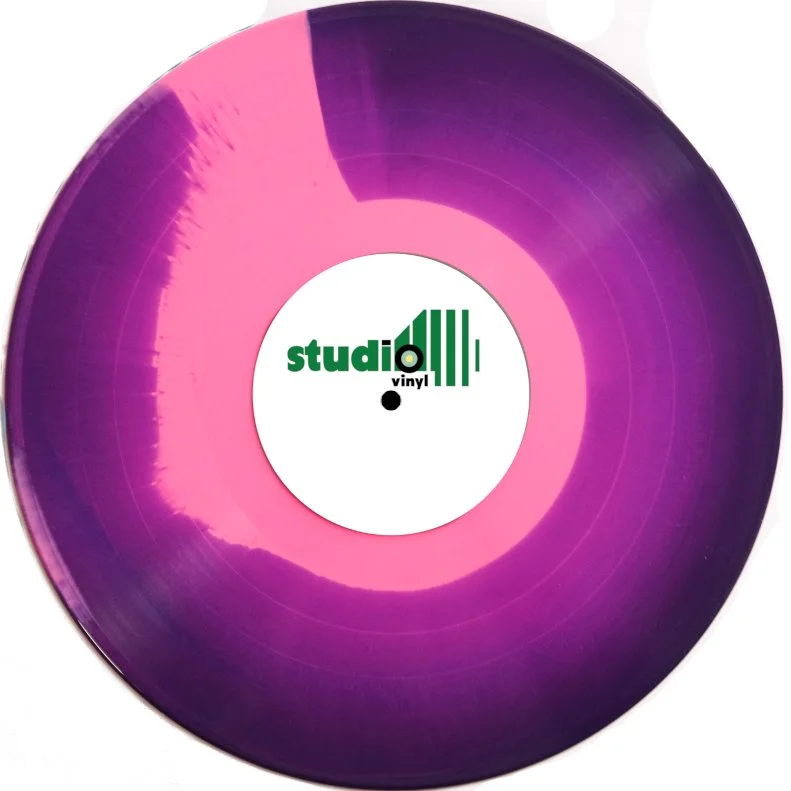
Eclipse
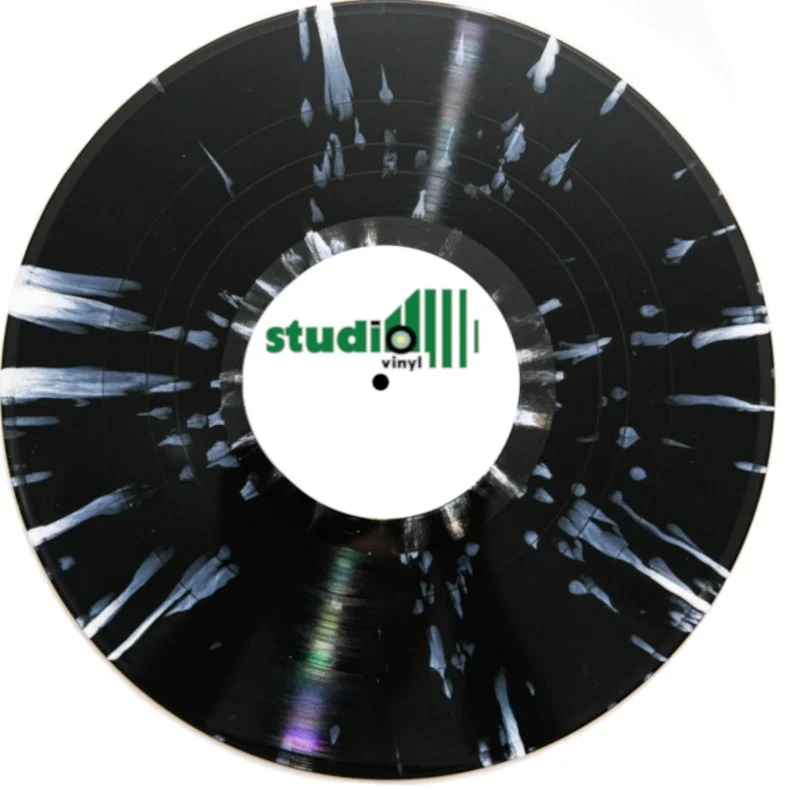
Black with White Splatter
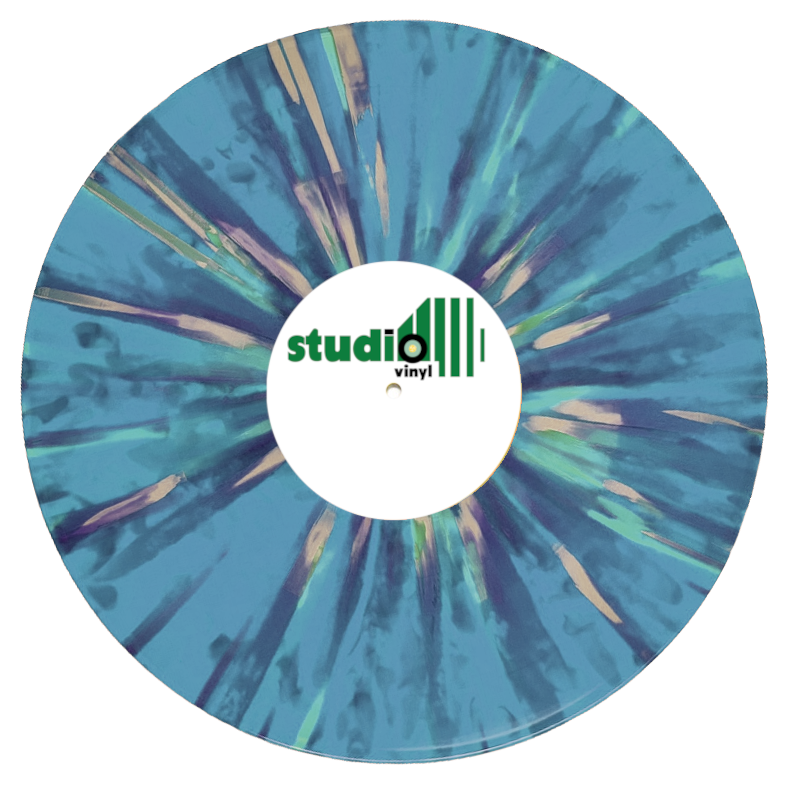
Splatter
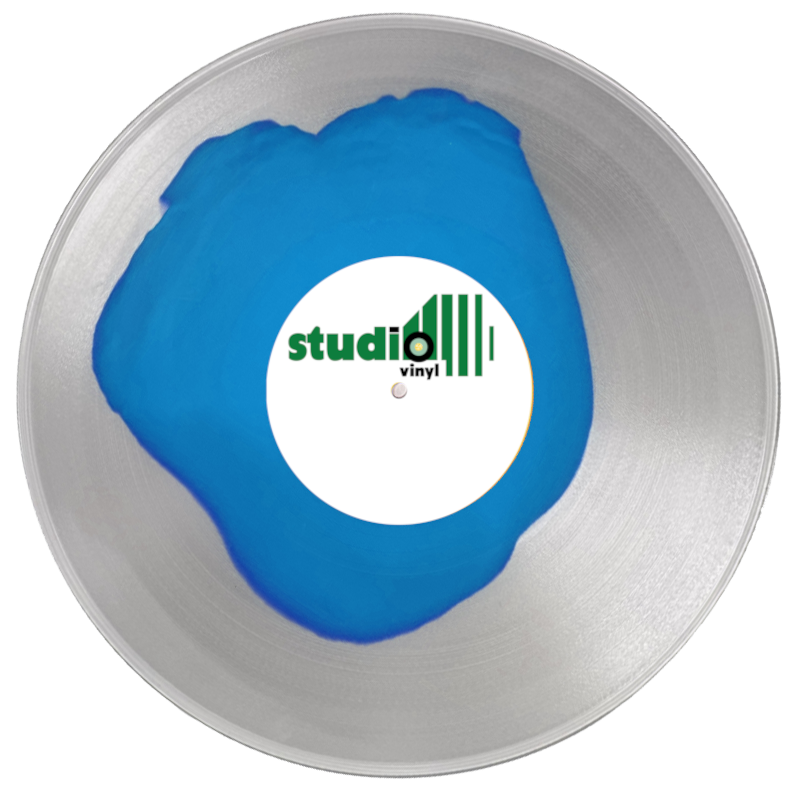
Color in Color
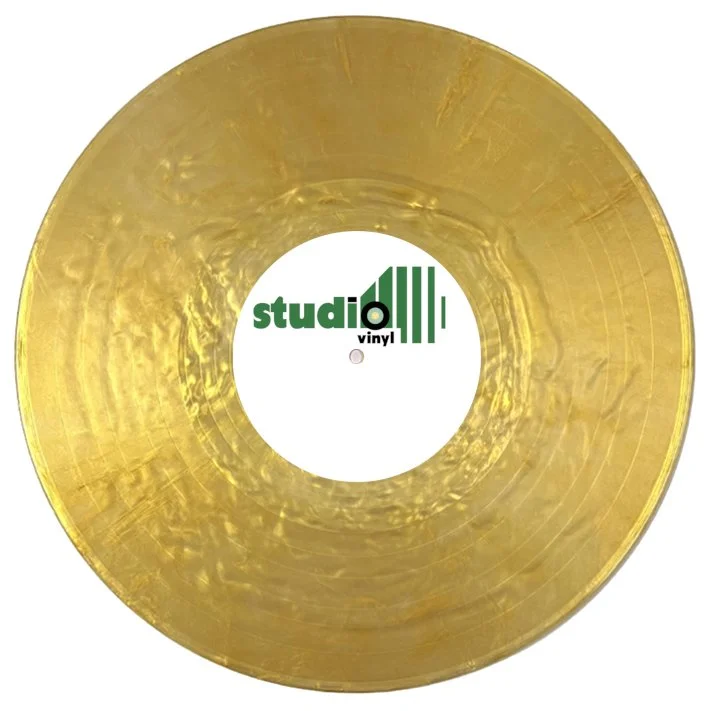
Metallic Gold
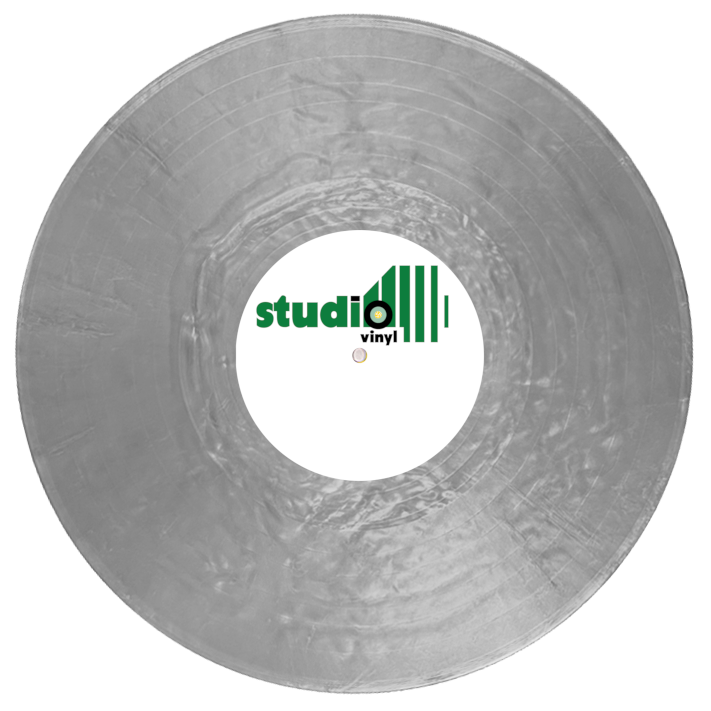
Metallic Silver
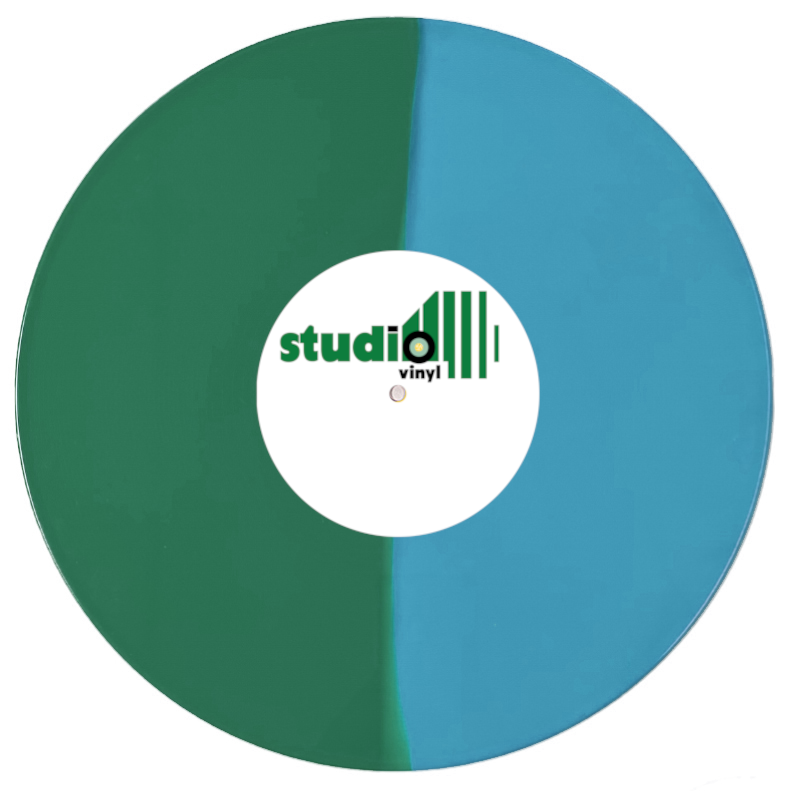
Half and Half
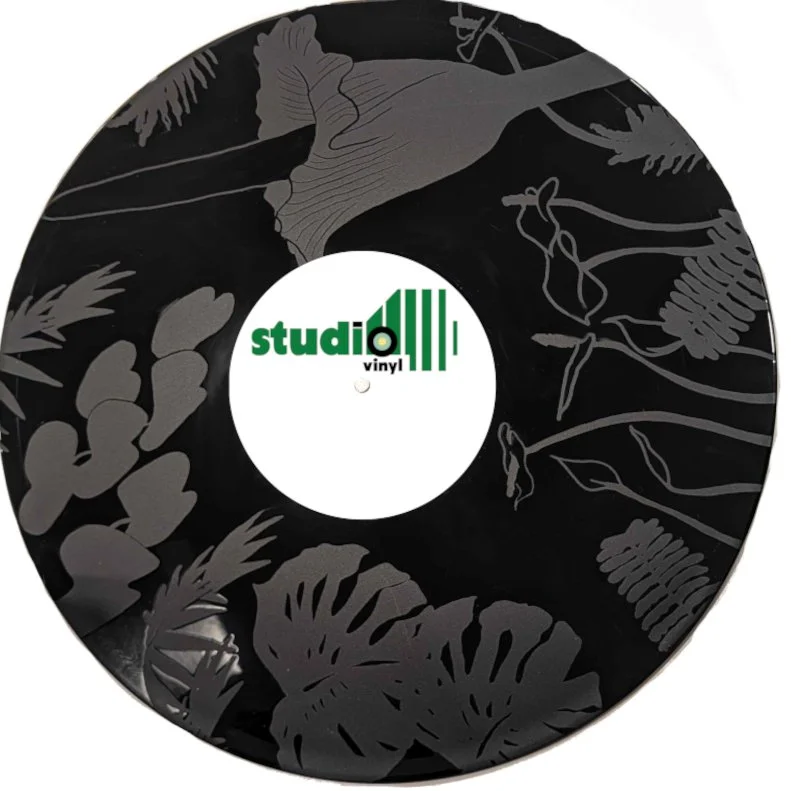
Custom Art Etching
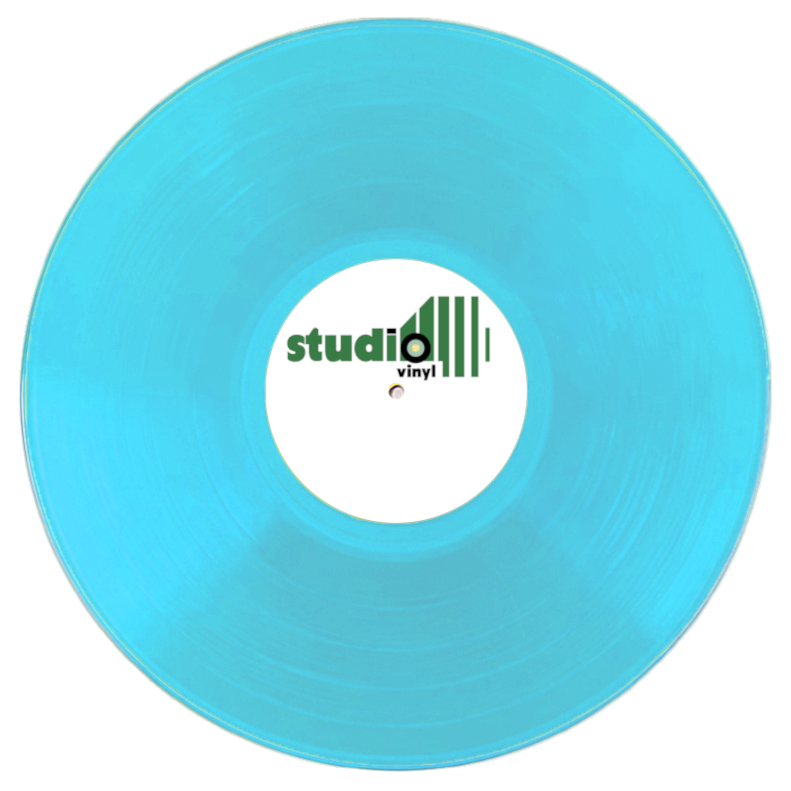

Glow Blue
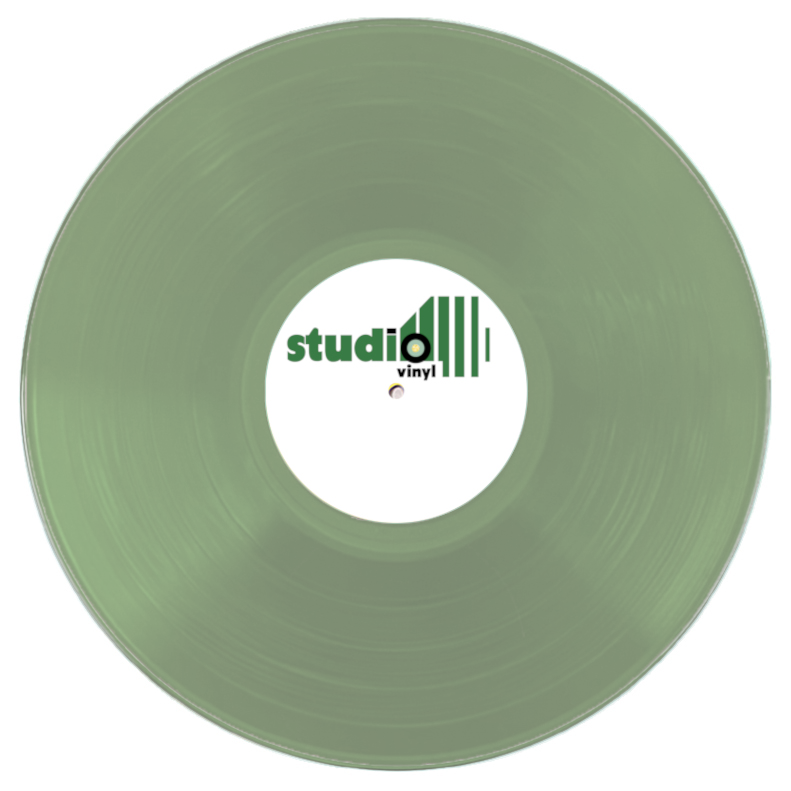
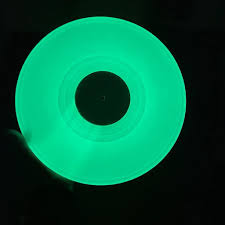
Glow Green
Frequently Asked Color Questions-
Color can vary slightly depending on your screen settings, so what you see online may not be an exact match in person.
The final appearance of a record is influenced by how the vinyl material cures and how it looks against a light background, so exact matches aren’t guaranteed. Variations can also occur from batch to batch of vinyl granulate.
For color blends, splatters, and swirls, each record is unique by nature. While we follow consistent formulas, the results can shift slightly across a run, meaning some records may appear lighter, darker, or patterned differently than others. -
We’re committed to producing the best possible sound no matter the format, but if audio quality is your top priority, black vinyl is still the gold standard. It typically delivers the most consistent playback with the lowest surface noise.
Color vinyl can introduce a slightly higher noise floor. Lighter shades like white or clear can be more challenging during production since the grooves are harder to see, which can impact quality control. Metallic finishes also tend to produce more surface noise compared to standard colors.
On the other hand, transparent colors generally perform better than opaque ones when it comes to sound. If you have questions or want a second opinion, reach out to your Studio 4 Vinyl rep, we’re always happy to talk through options and help you dial in what’s right for your project.
-
Put simply, noise floor is the background sound you hear from the record itself, not the music. Think of it as a faint layer of surface noise that sits underneath the audio. Black vinyl is produced in large volumes using a more consistent material, which helps keep that background noise as low as possible. When you move into color vinyl, different pigments and additives are introduced into the PVC, and that can raise the overall noise floor slightly.
Some colors and effects are more prone to this than others. In general, metallics, white, clear, color blends, and special effect variants tend to have more noticeable surface noise compared to standard black or even some transparent colors.If your goal is the cleanest possible playback, black vinyl is still the safest choice. But if you're balancing sound with visual impact, there are plenty of solid options, and we’re always happy to help you find the right fit.
If you have questions about your specific project, reach out to your Studio 4 Vinyl rep and we’ll walk you through it.
-
If consistency is your top priority, we recommend sticking with a solid color. Effect vinyl is created in a way that makes each record unique, so achieving identical patterns across an entire run isn’t possible. If you’re trying to strike a balance between consistency and visual impact, your Studio 4 Vinyl rep can help guide you toward options that best fit your vision.
-
A few things to keep in mind when choosing a splatter style:
1. Base color matters: A black base will eat most colors. We recommend a light base with a dark splatter.2. Choose your splatter intensity: light, medium, or heavy. Let us know what you’re aiming for and we’ll dial it in as close as possible.
3. Base vs. splatter contrast: Your base can be either solid or transparent. If you’re looking for a more dramatic, high-contrast look, a transparent base paired with a solid splatter color usually gives the best result. Transparent splatter on a solid base tends to be more subtle.If you’re unsure what combination will give you the look you want, your Studio 4 Vinyl rep can help you map it out.